How can Victoria pay for growth without making new homes more expensive?
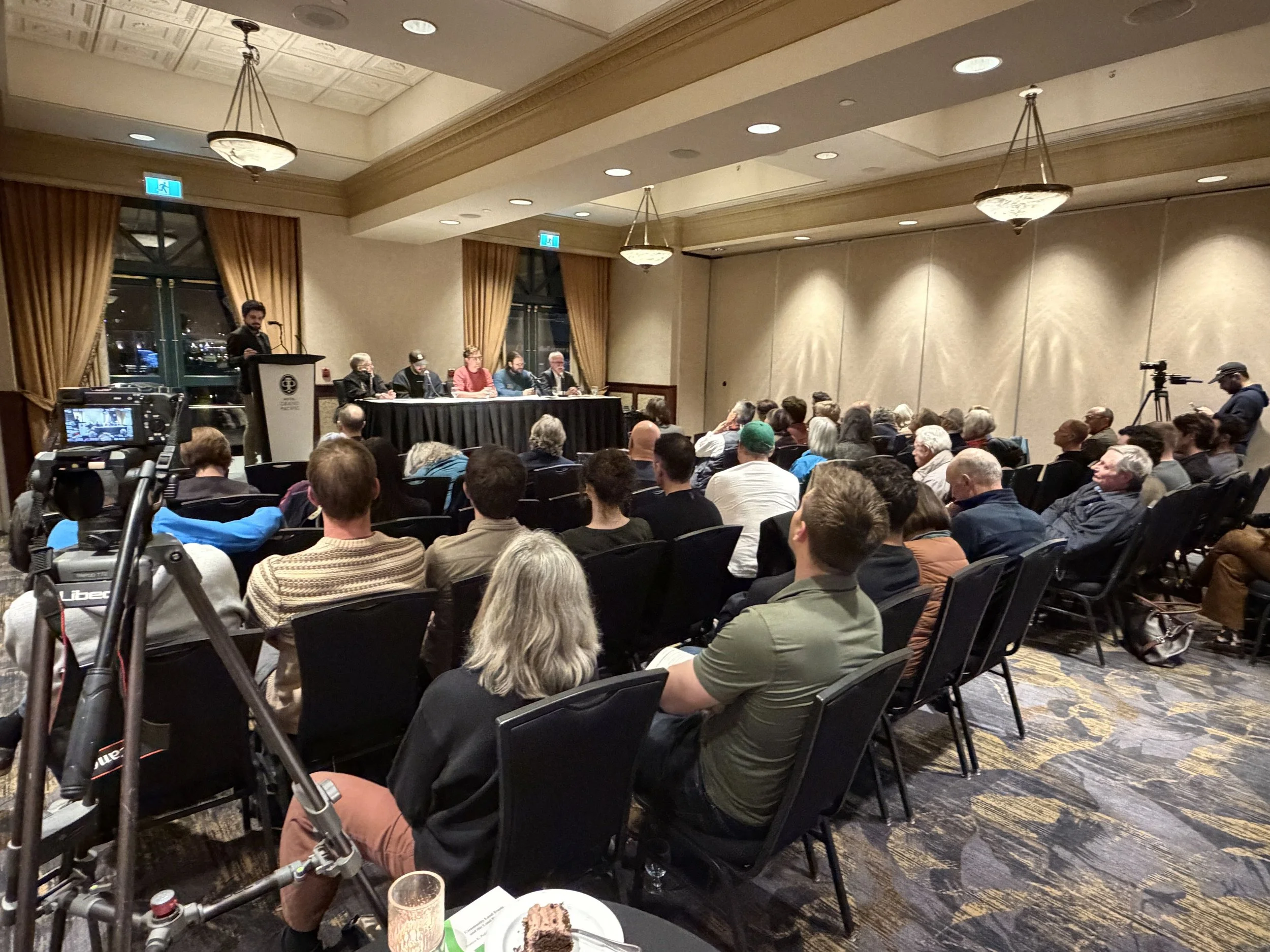
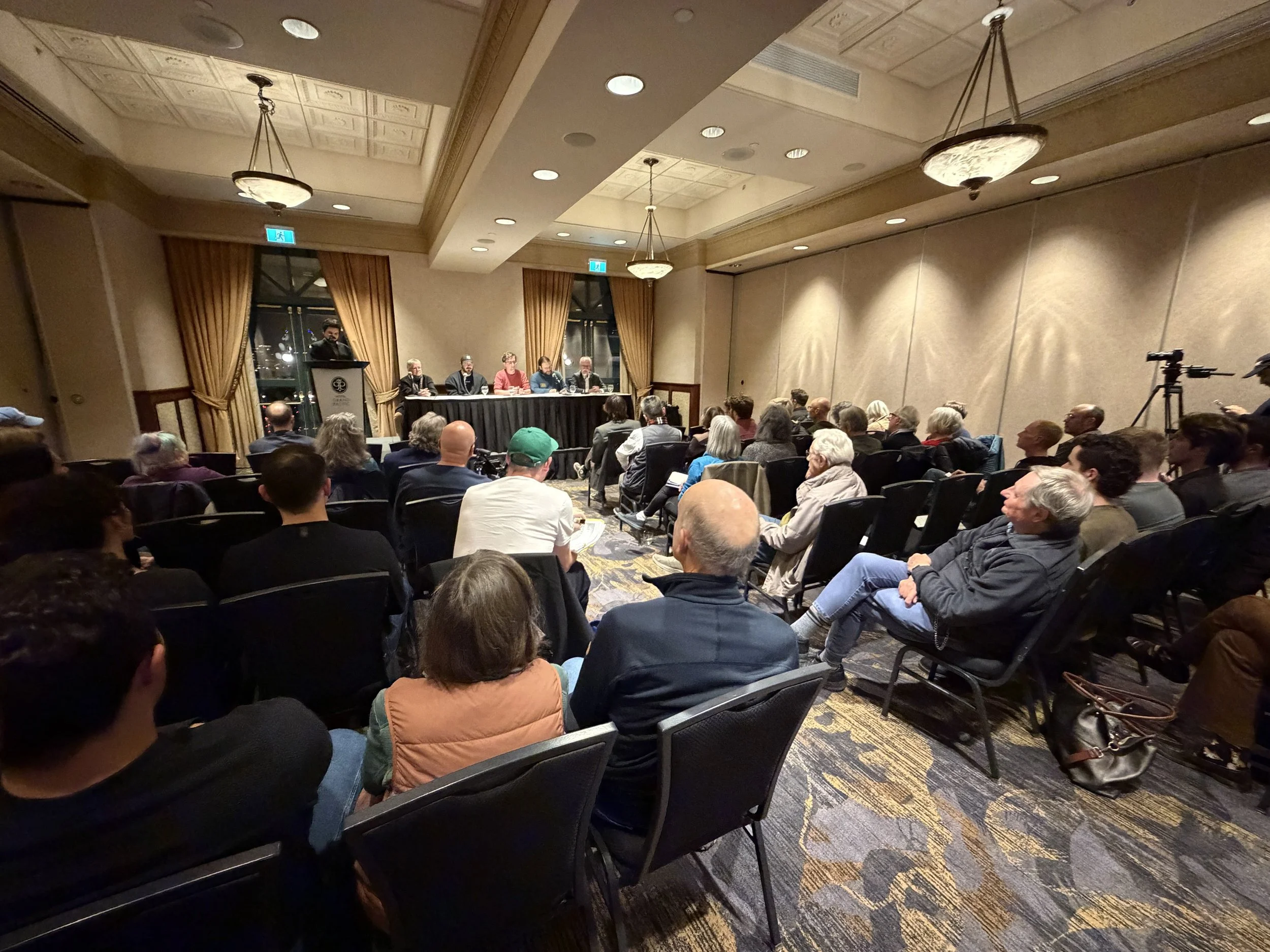
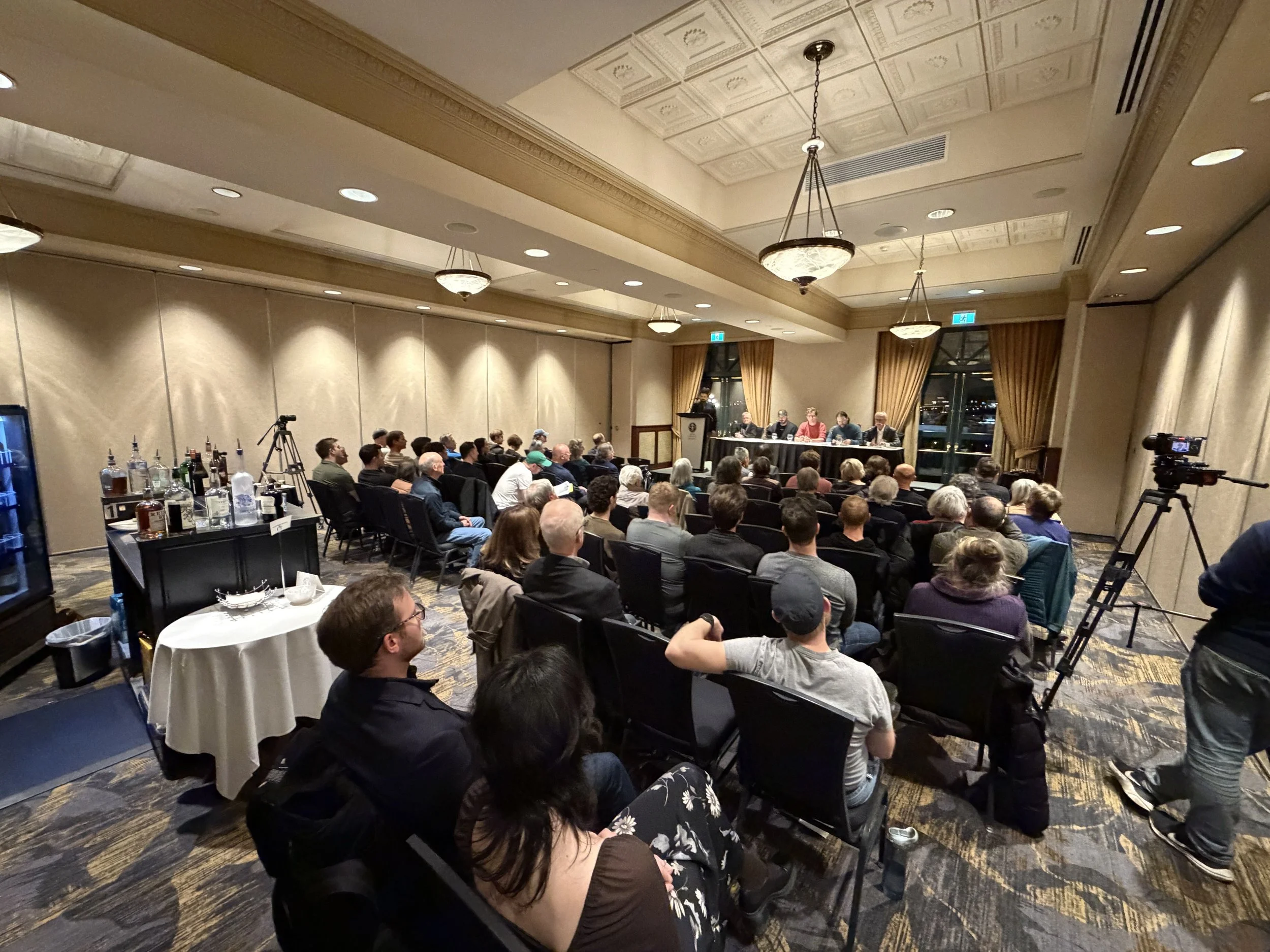
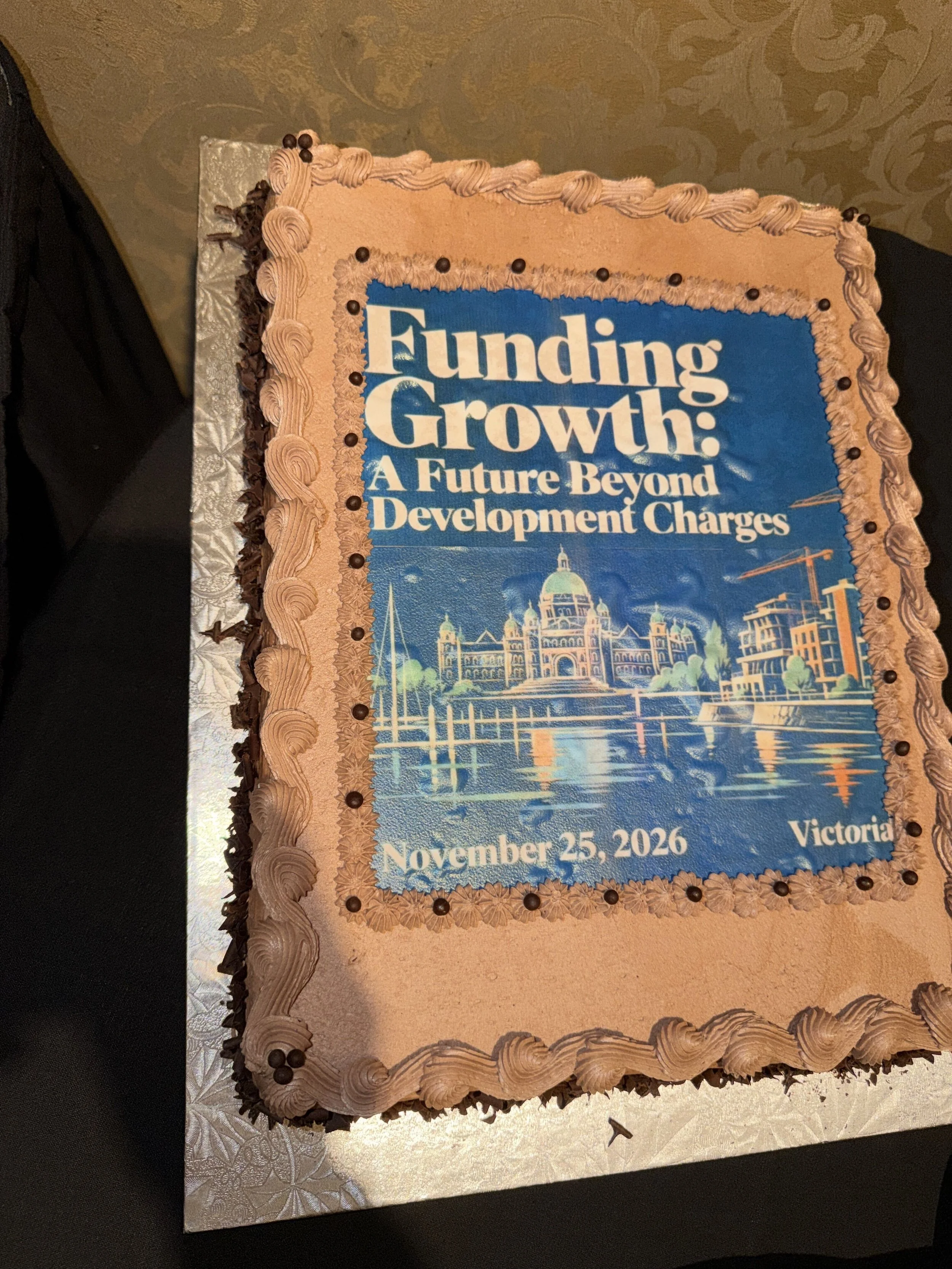
On November 25, Common Wealth Canada and Homes for Living brought dozens of people together at Victoria’s Hotel Grand Pacific to discuss that question.
Cities rely on development charges to pay for infrastructure. But an upfront fee can make a housing project too expensive to build. The panel explored Land Value Return as an alternative. When a city invests in a neighbourhood, nearby land can rise in value. Returning a share of that gain to the public could help pay for infrastructure and lower the charge on each new home.
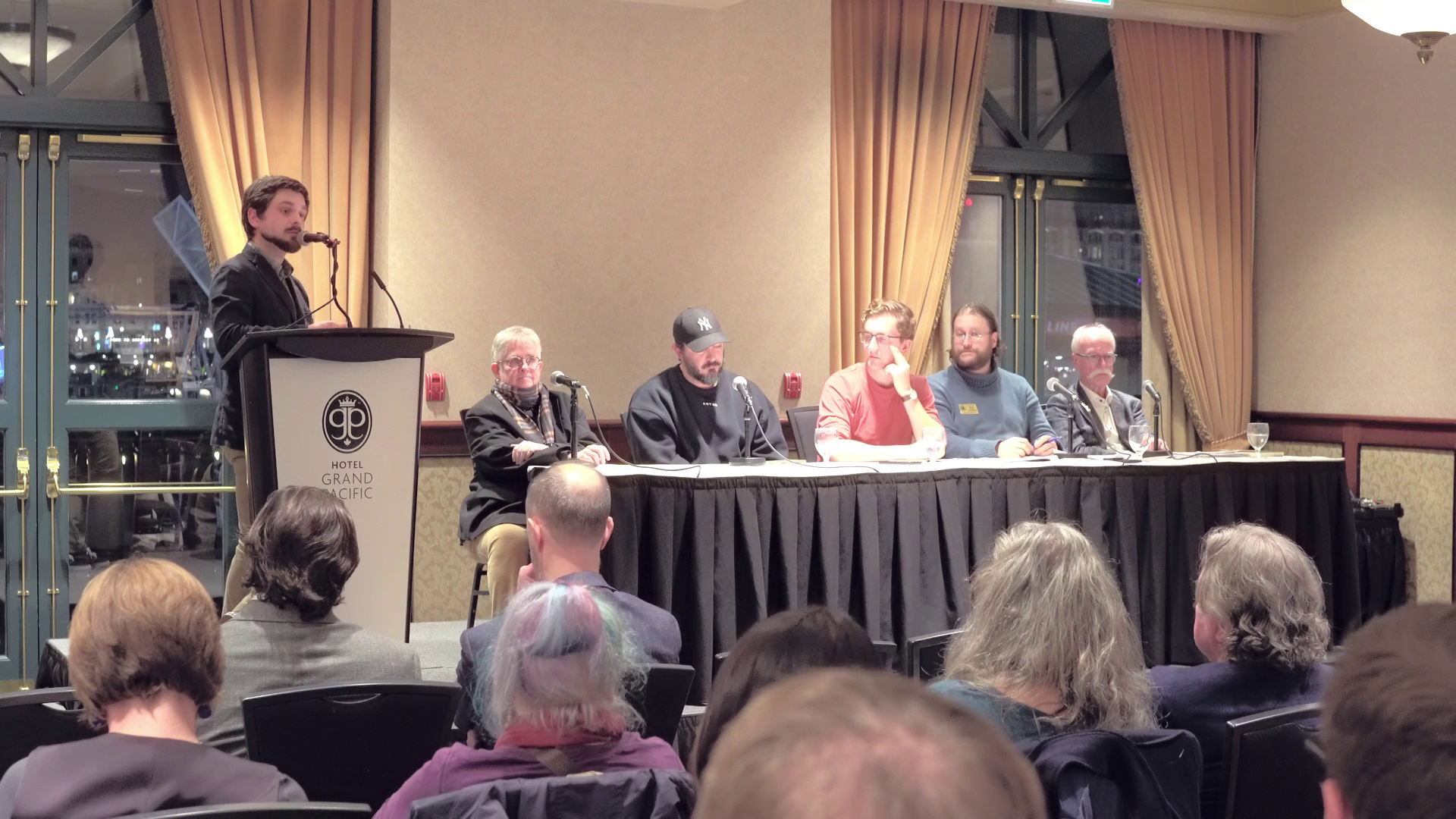
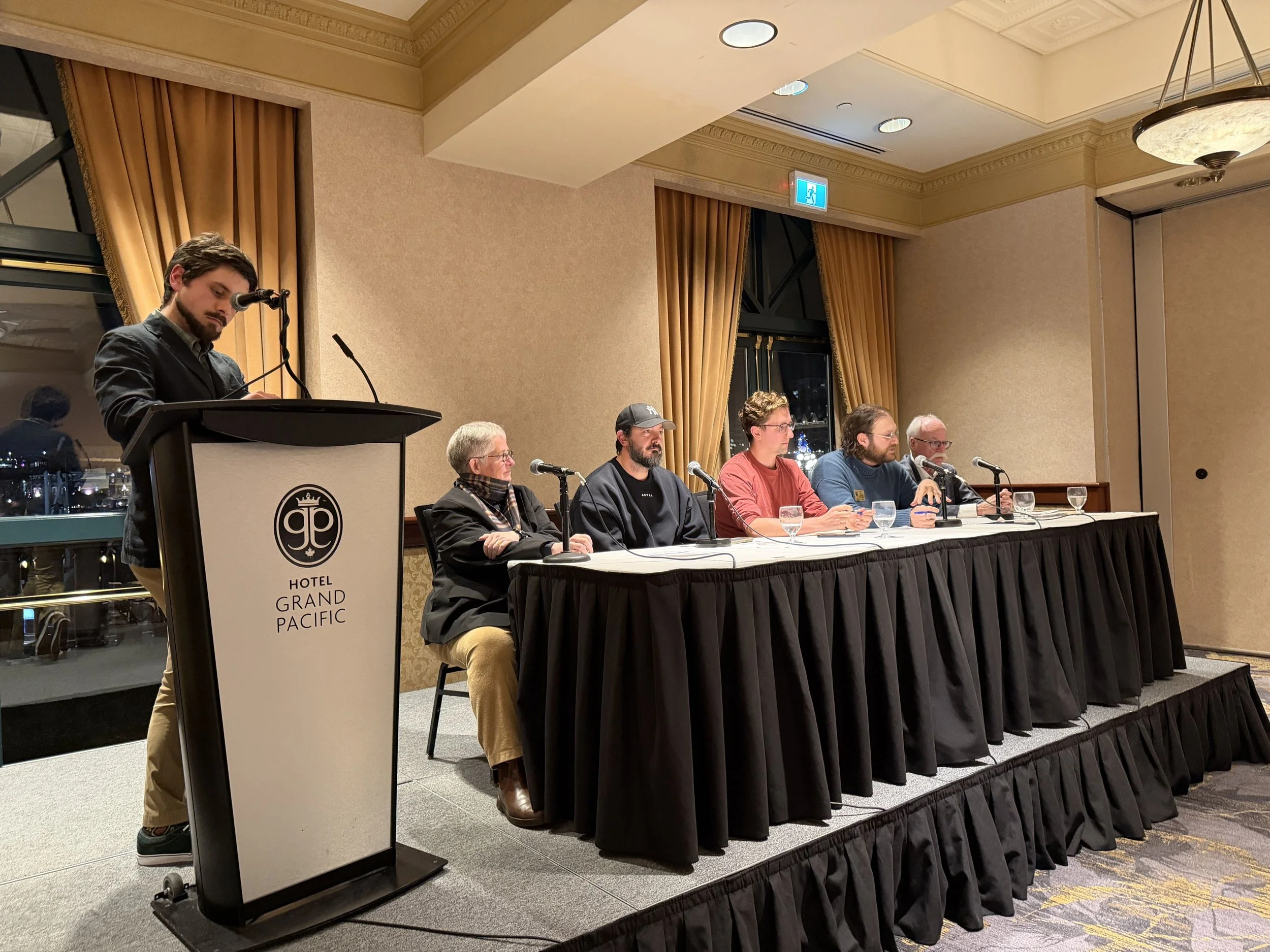
Homes for Living organizer Jarren Butterworth and Common Wealth Canada founder Floyd Marinescu opened the evening. Andrew Rose, our B.C. strategist, moderated the discussion with five panellists:
Marianne Alto, Mayor of Victoria
Luke Mari, managing principal at Aryze Developments
Jack Sandor, Victoria city councillor and electrician
Dr. Teale Phelps Bondaroff, Saanich city councillor
Dr. Francis Peddle, president of the Henry George Foundation of Canada
In attendance were Victoria Councillor Dave Thompson, Oak Bay-Gordon Head MLA Diana Gibson, and Nanaimo-Gabriola Island MLA Sheila Malcolmson. Victoria-Beacon Hill MLA Grace Lore had been scheduled to speak and had to cancel at the last minute.
Why now
Pressure on development charges is coming from several directions at once. Developer insolvencies have risen, housing targets are slipping, and the federal Build Communities Strong Fund requires provinces to reduce development charges on multi-unit housing to access federal infrastructure dollars. That leaves municipalities in a bind: cut the charges and they still need to pay for the fire hall and the water main. The panel asked a direct question: can municipalities eliminate development charges if they are handed a better revenue source?
How would Land Value Return work?
Floyd Marinescu opened with a personal story. The first property he bought, in downtown Toronto in his twenties, was sold to him on the promise that a condo going up around the corner would raise his land value. It did, through no effort of his. His argument: if growth raises land values across a whole area, it makes little sense to load the full cost of that growth onto one development at a time. He proposed replacing development and amenity charges with a broad, very small, revenue-neutral regional land value tax, so cities have infrastructure money before development happens.
Jarren Butterworth of Homes for Living said Victoria has done well on upzoning, but development charges still work like a penalty on building, while passive land holding carries no comparable cost. Those charges, he said, are passed down to buyers, renters and commercial tenants.
Dr. Francis Peddle argued that B.C. is unusually well placed to make the shift. BC Assessment, established in its modern form in 1974, values land and buildings separately and reassesses every year. Ontario, by contrast, has not reassessed since 2016. Peddle put B.C.'s total assessed value near $3 trillion and estimated that at least 60% of it is land.
Where the panel agreed
Buyers and renters, not developers, pay development charges. Councillor Sandor said the charges survive because "make the developers pay" is an easy message, but in tight markets the cost is passed on. He cited a CMHC report finding that new home prices rise by at least the amount of the charge, and that existing home prices rise as well. He went further, challenging "growth pays for growth" itself: it treats newcomers as a cost, and in practice only people who buy or rent new construction ever pay it.
A standard charge beats a negotiated one. Luke Mari described Vancouver's negotiated amenity contributions, which can capture 75 to 80% of a rezoning's land lift, as a "spreadsheet game" between planners and developers whose cost ends up with condo buyers. Mayor Alto said a consistent land charge would let municipalities make simpler decisions faster and give certainty to developers and communities alike.
Municipal finance is structurally constrained. Councillor Phelps Bondaroff noted that municipalities lost income tax powers in 1941 and remain "children of the province," relying on property taxes and fees while absorbing responsibilities downloaded from other governments. Pressure for 0% tax increases leads cities to defer maintenance until pipes burst. He framed the issue as one of intergenerational equity, and argued that long-term municipal borrowing is the fairer way to pay for long-lived assets like a fire hall.
Where the panel was skeptical
This was not a room of uniform enthusiasts. Luke Mari opened by saying he was "not sold on this yet," and Mayor Alto said she was about 85% persuaded.
Mari accepted that new development should pay its incremental costs, and credited recent provincial rules that limit development charges to the growth-related share of infrastructure upgrades. What he called irreconcilable was his estimate that Capital Region single-family homes gained $18 billion in value during COVID, with none of it funding infrastructure or affordable housing. "Who's paying for the wealth growth?" he asked. He also pushed back on the view that new supply alone will not fix affordability, pointing out that a 1% rental vacancy rate reflects a genuine shortage.
Mayor Alto recalled that Victoria brought resolutions on this question to UBCM in 2017 and 2020. Both were endorsed, and both times the province said its rules did not allow the change. She doubted there is broad political appetite today, but saw room for local governments to move within the limits they already have. She also raised a deeper question that she said goes unexamined: the colonial basis of land ownership itself.
Non-market housing
Mari said roughly half of Aryze's projects are partnerships with First Nations or non-profits, and that such projects only work with a subsidy, either in density or in cash. Lower upfront charges act as exactly that kind of subsidy. He argued public investment in non-market housing needs to grow ten to twenty times, and proposed income-testing B.C.'s homeowner grant, which he put at about $1 billion a year.
Peddle countered that for every affordable unit added in Canada, about 11 are lost (30 to 1 in Ottawa, by his figures), and that public spending on housing and infrastructure raises land values unless that value is recaptured.
From the audience
Questions focused on approval times, small landlords, and how to win over existing homeowners. Mayor Alto described a fully compliant small project elsewhere that took three years and 33 days to receive a building permit, and said she intends to bring Victoria's council a time limit after which applicants could go directly to council. Mari described a Saanich project that took five years and 12 iterations; during the wait, BC Housing's affordable program was cancelled, costs rose by about $12 million, and the project was approved with no affordable units.
On persuading homeowners, the clearest message from the panel was concrete: under the current system, owners are taxed more for adding a laneway home. Remove the tax on buildings and that penalty disappears. Andrew Rose pointed to history, noting that Victoria and Vancouver taxed only land in the early 20th century, and that New York City's 1921 ten-year exemption on new buildings preceded a construction boom.
What comes next
The evening produced a clear set of asks:
Provincial permission to tax land and buildings at different rates. B.C. municipalities cannot currently do this. The province could allow it with an amendment, and BC Assessment already produces the data.
Wider municipal borrowing powers, so infrastructure can be paid for over its life rather than front-loaded onto new homes.
Faster, more certain approvals, paired with tax reform. Several panellists stressed that the two have to move together.
A local pilot. Councillor Sandor argued that a working example will persuade more people than any explainer.
A simpler public case. Mayor Alto praised Common Wealth Canada's two-page explainer but said it is still too complicated for a homeowner worried about their main asset.
Figures in this post are as stated by panellists during the event and have not been independently verified.
Thanks to everyone who joined us. See Floyd’s posts about the event on Bluesky or X.