RSVP
Toronto Meetup with Eric Lombardi
📅 Wed April 8th, 2026, 6:30-9 PM
📍 Electric Mind, 200 Adelaide St W (Maps)
“In Canada, earned income is taxed quickly and heavily, while land—one of the largest and least productive sources of wealth—is barely touched… That isn’t just inefficient. It’s unjust… when paired with housing reform, [land value tax] would help restore the liberal ideal that prosperity can be earned, not just inherited.” — Eric Lombardi
Eric stands at the forefront of urban development and advocacy as the founder and former president of More Neighbours Toronto, a volunteer organization committed to ending the housing crisis. He is the former Chair of Build Toronto and a frequent contributor to The Hub. Eric is currently exploring a run for the Ontario Liberal Party Leadership. Professionally, he specializes in strategy management consulting in the finance and technology sectors.
Agenda
6:30 • Doors
7:00 • Remarks from Ken Yang, Common Wealth Canada
7:10 • Eric Lombardi
7:20 • Q&A
7:40 • Meet & Mingle
Solving our biggest challenges should start with our biggest asset: land. Our relationship to it and how we share in its value lie at the heart of our housing, affordability, and productivity crises. Join us and meet others interested in how we can put our biggest asset to work—to build a healthier housing market and a fairer tax system that rewards the workers and builders who power our economy.
Special thanks to our host Electric Mind.
Please RSVP so we have an accurate idea of headcount. Refreshments provided.
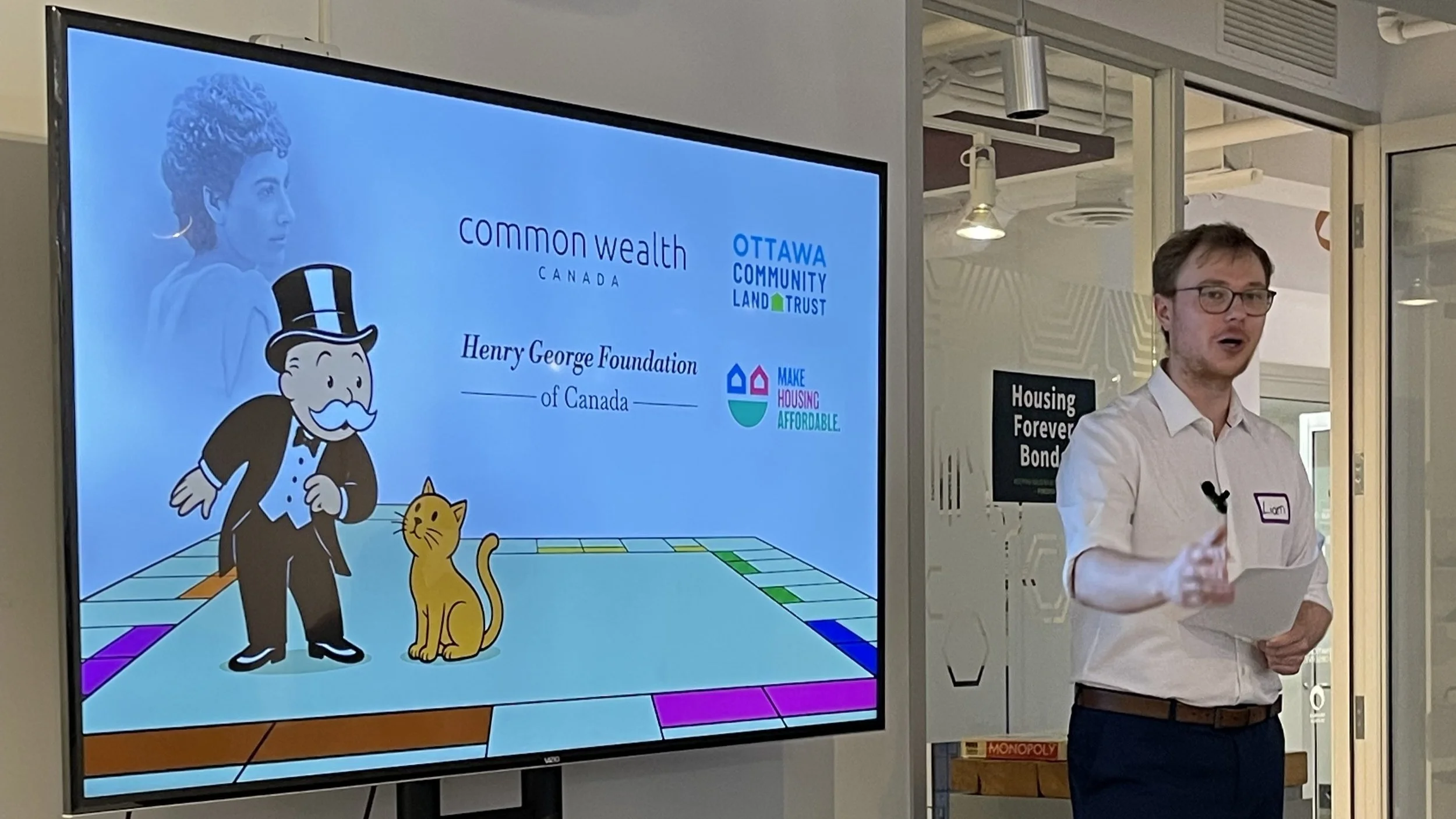
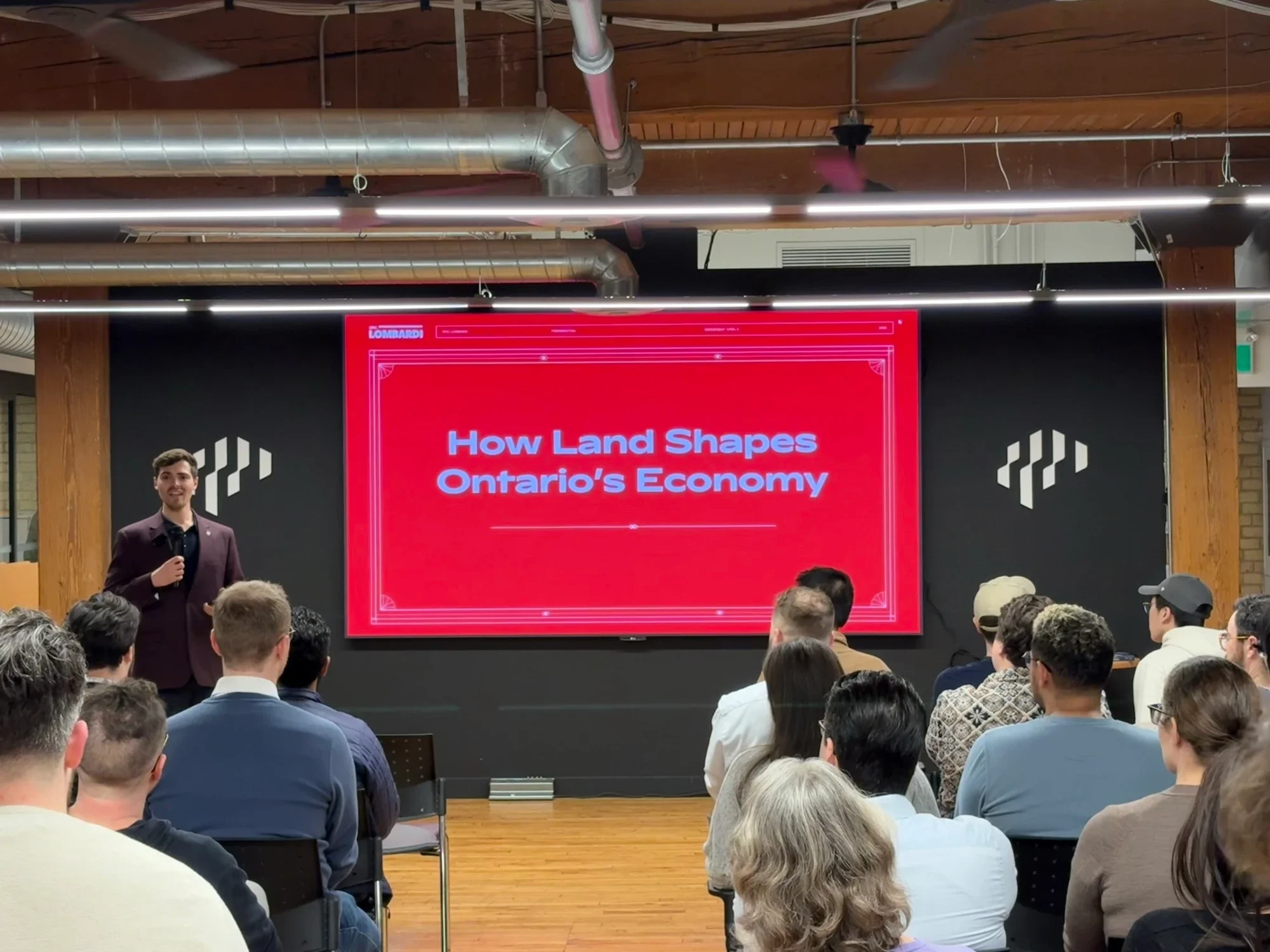
Past Common Wealth Meetups




Why shift taxes to land value?
Land value is generated from the work and investments of the community around it, like public infrastructure and economic activity. We can capture and reinvest some of this publicly created value to fund tax relief for workers and builders; rebates to every household; and housing, transit, or other public needs. We call this land value return.
One way to do this is a land value tax (LVT), a levy on the value of land itself, excluding the buildings or improvements on it. Unlike taxes on income or buildings, which discourage work and construction, LVT doesn’t penalize productivity. It encourages efficient land use and development over idle speculation. That’s why economists often call it “the perfect tax”, one that could help address key drivers of the housing crisis. Variants of LVT have been successfully implemented around world including in Australia, Taiwan, Singapore, England, and Estonia.
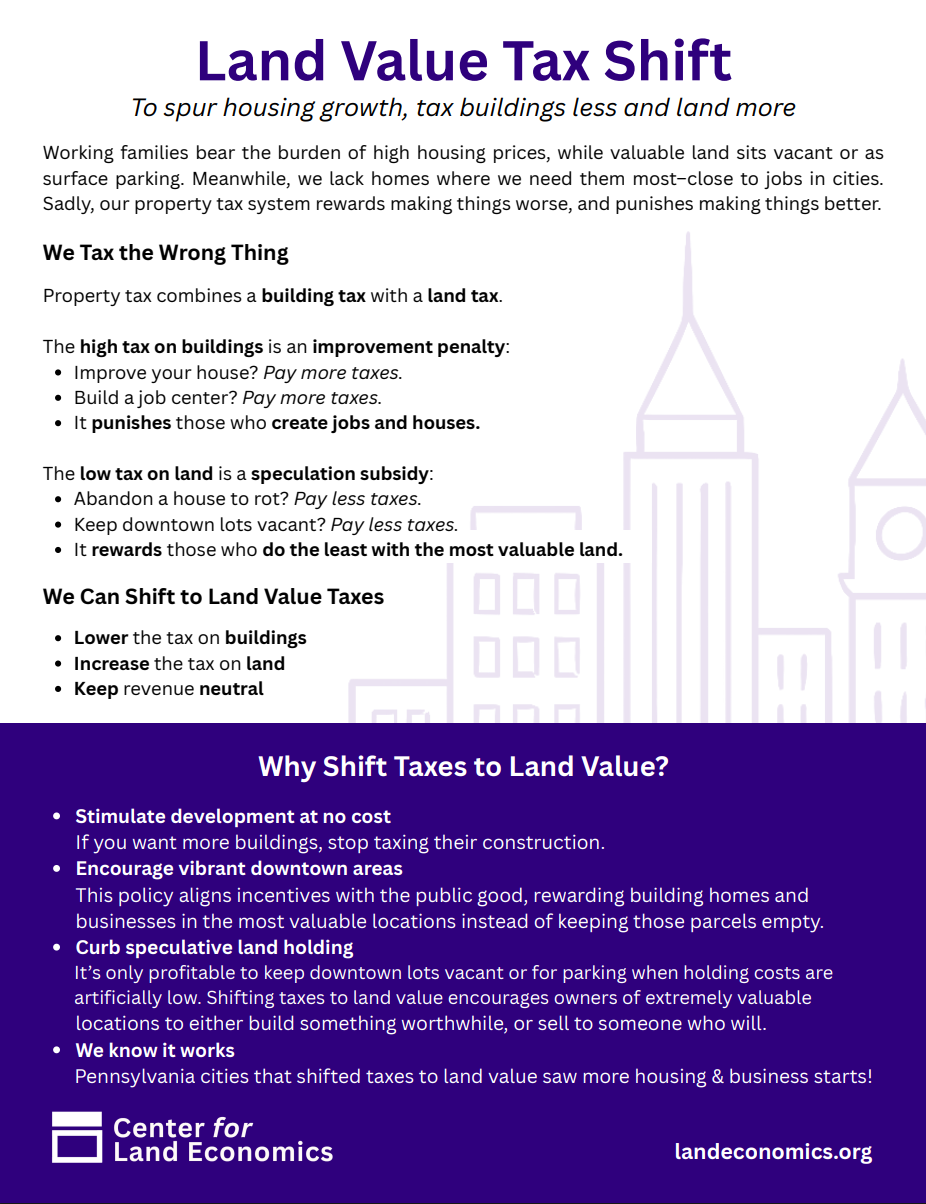
For a quick primer, read the Land Value Tax One-Pager by the Center for Land Economics: “To spur housing growth, tax buildings less and land more”.
How can LVT benefit the housing market and overall economy?
By shifting taxes onto land, away from income or buildings, we can realign incentives in our economy to:
build more housing and improve affordability
discourage anti-productive land speculation
increase returns to employment, business activity, and construction
Research by Common Wealth Canada shows how an LVT in BC could generate enough revenue to replace all property and income taxes in the province. Read more at commonwealth.ca/bc-lvt.